Barrios: From Neighborhood to a Global Understanding
CLICK ANY IMAGE FOR MORE DETAILS
Part I — Germination
This journey began close to home. As a young artist studying at the Pennsylvania Academy of the Fine Arts, I painted what was nearest — the view outside my window. Those early works formed a quiet beginning, a foundation that would eventually widen my way of seeing beyond what I could imagine at the time.
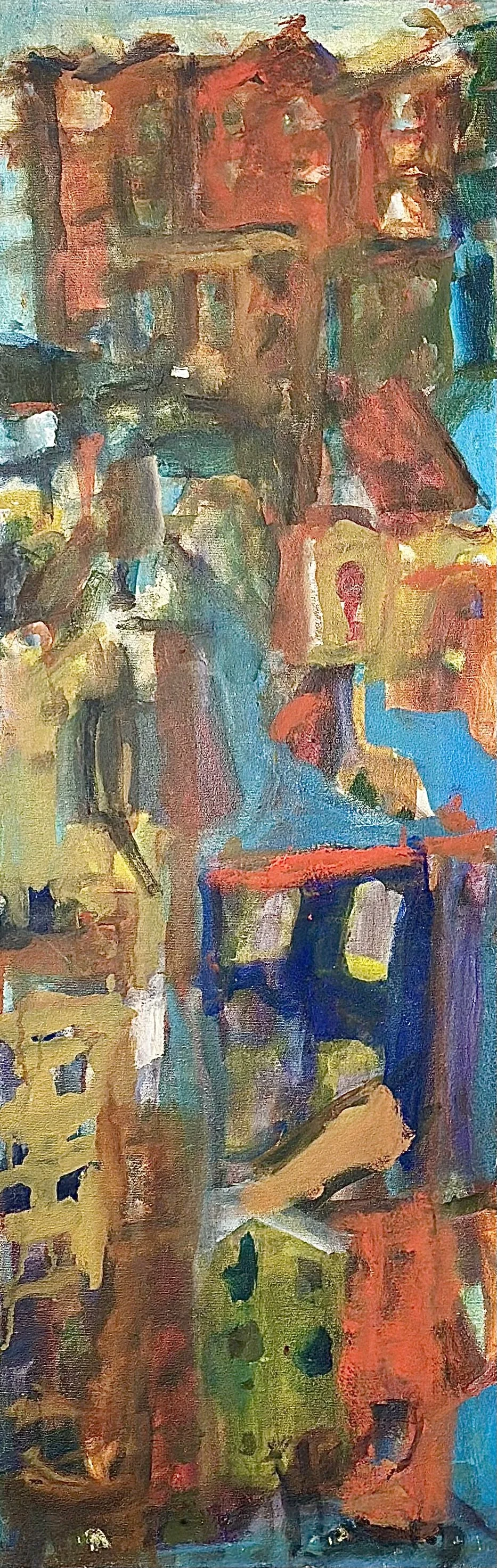
Cityscape Series; Chapter 4
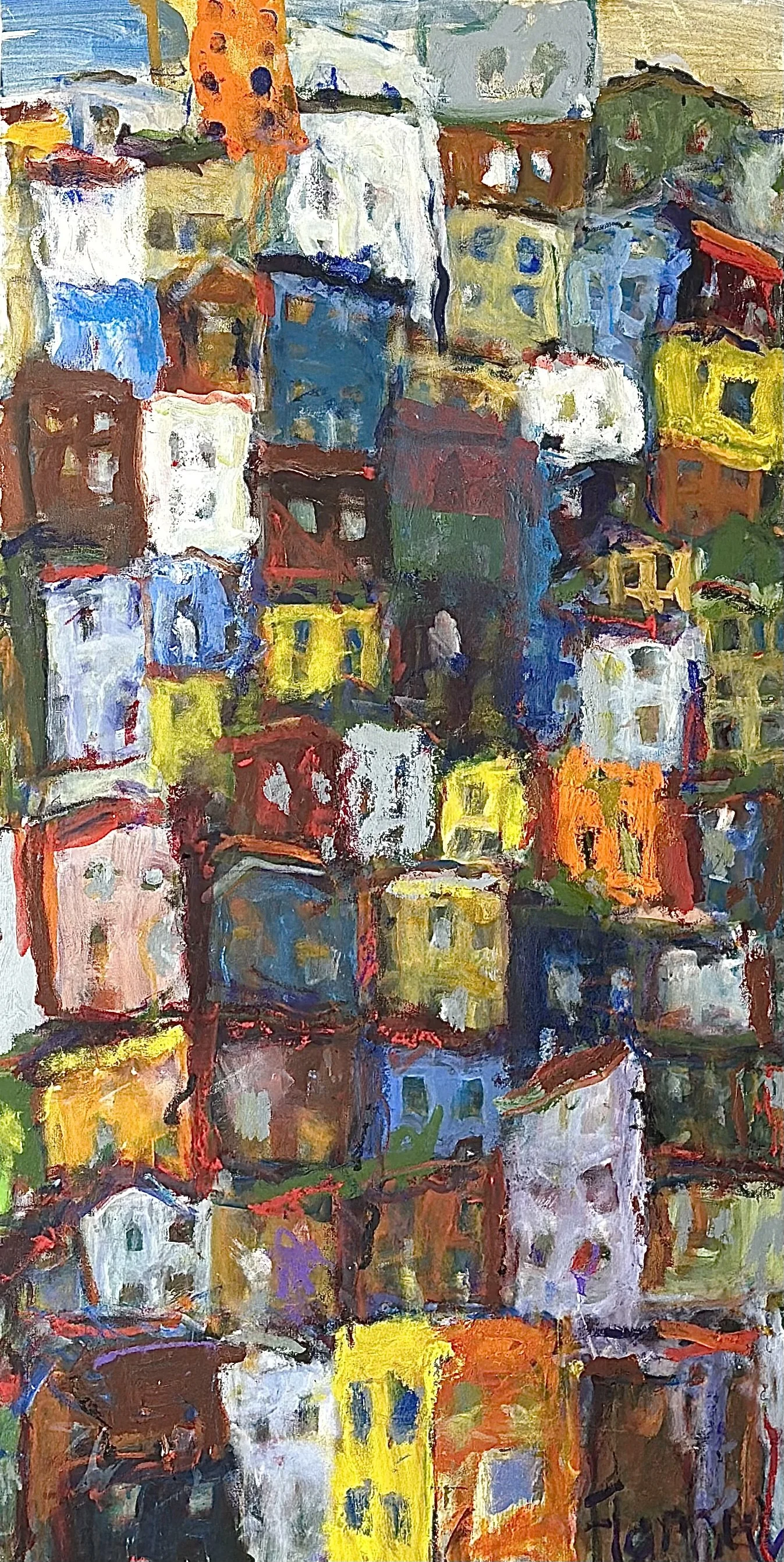
Part II — The View from Above
Living 12 stories above the city patterns and proximity began to shape my work. The city revealed itself as structure, movement, and community, influencing the paintings that followed.
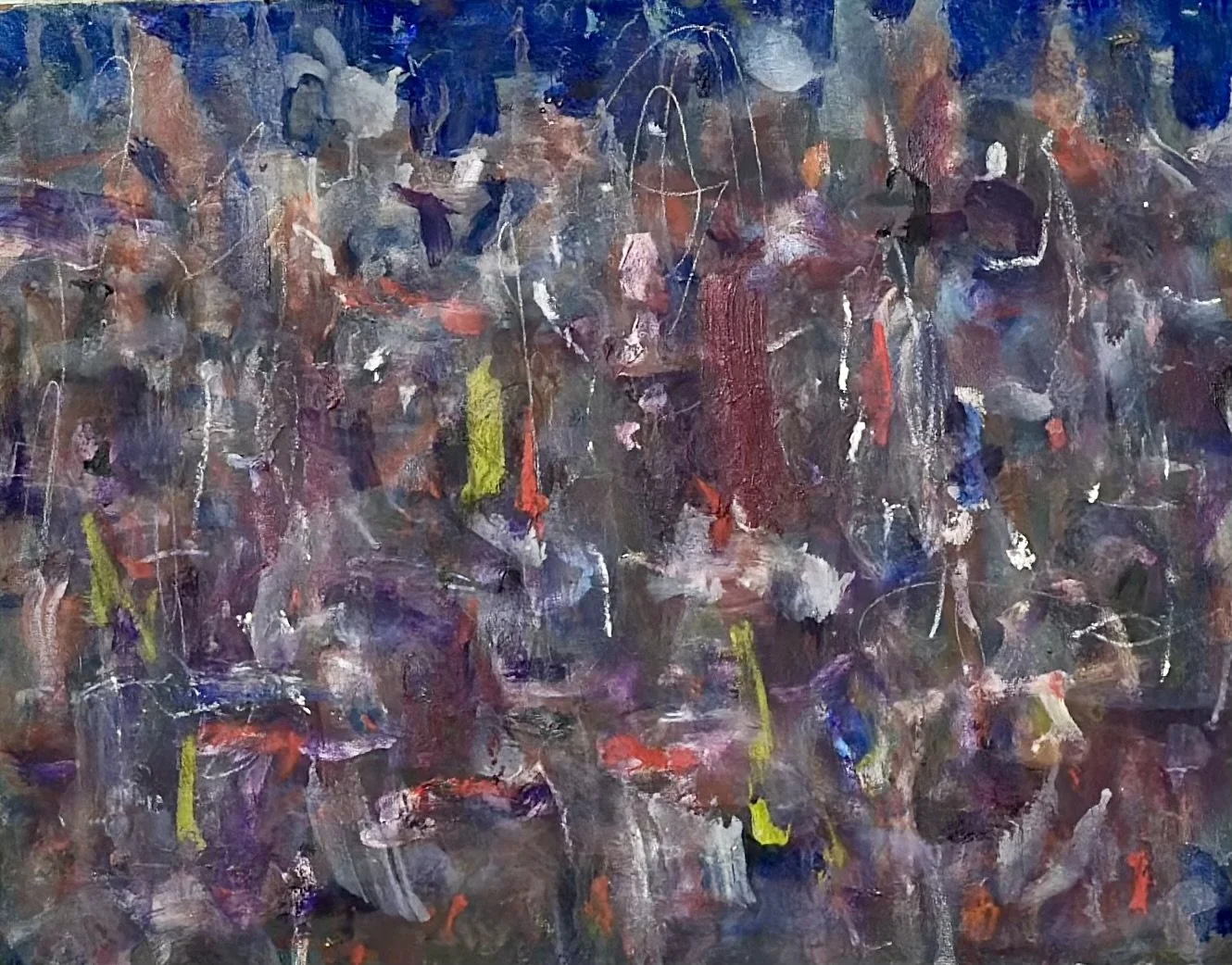
Cityscape Series; Chapter 10
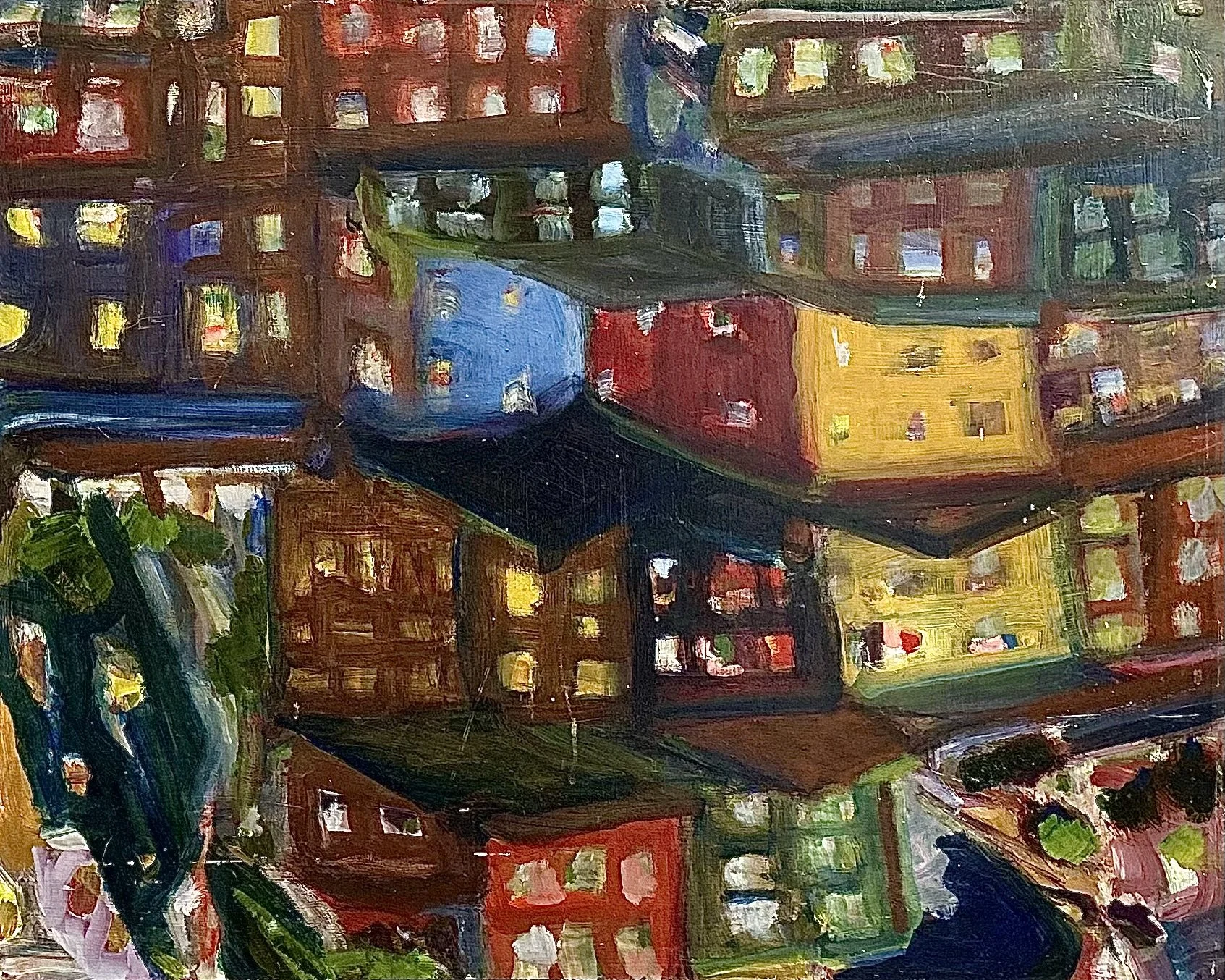
Oil on Hardboard 20 × 30”
Original work is available for purchase
Board print images are printed on museum quality poster board and are suitable for framing
Photographic prints are high quality photographic prints mounted onto 1” thick foam core with edge banding
The shop page presents a detail from the painting. To see the entire image please return to the Cityscapes gallery page
Part III — The Seeds Burst Forth
Later the focus shifted from houses and blocks to entire neighborhoods, and then to cities themselves. The paintings grew wider in scale, following a vision that had quietly taken root years before.
Part IV — Barrios
During the pandemic, and through the unexpected doorway of Pinterest, I encountered images of barrios from around the world. I was struck by their familiarity — as if they mirrored work I had already been painting.
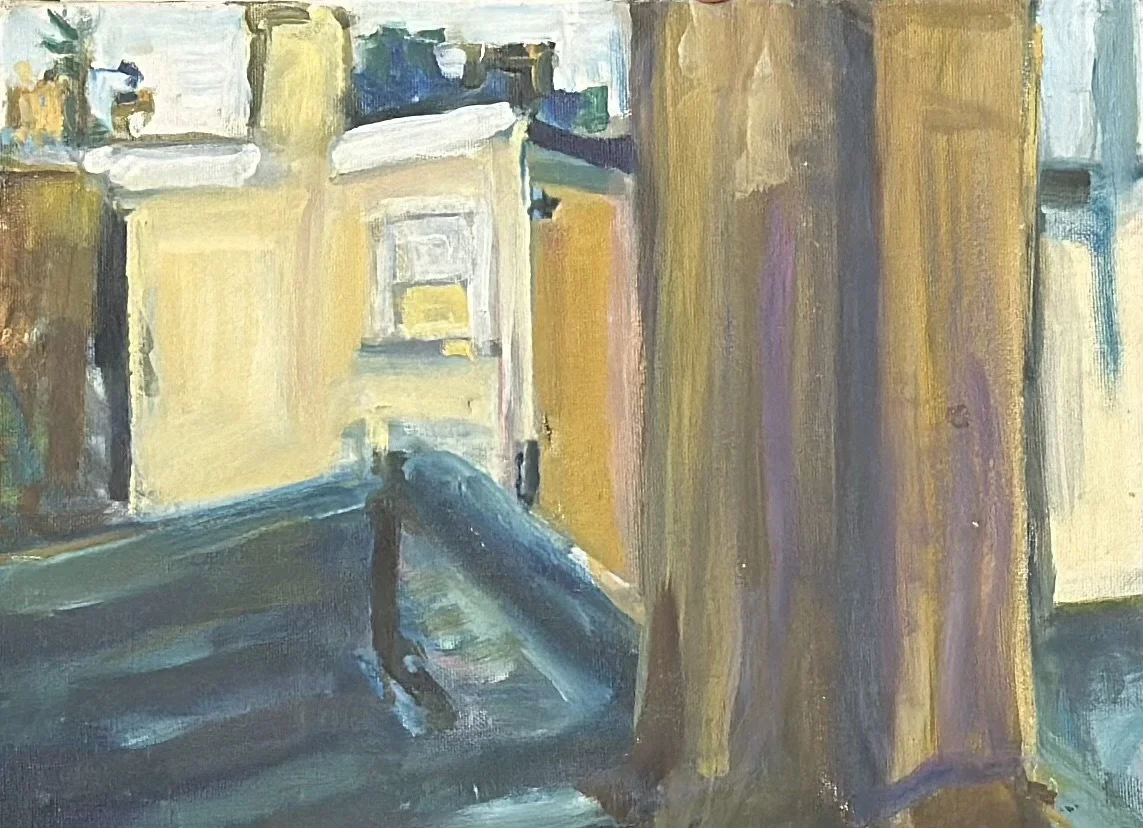
Neighborhood Series; Chapter 1 -The View from My Window
Cityscape Series; Chapter 2
Part V — Toward a Global Understanding
What emerged was a merging of the imagined places I had long painted with a real vision of the wider world.
Many of these neighborhoods, often marked by poverty, are nevertheless vivid expressions of the human condition.
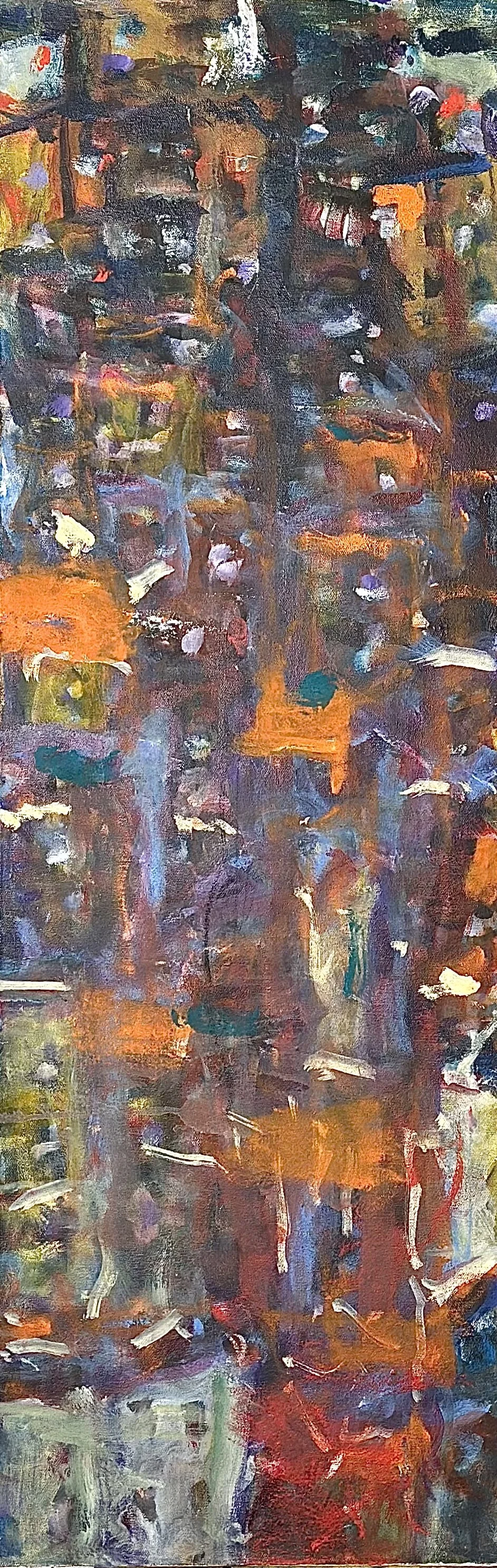
Cityscape Series; Chapter 5

Barrios Series; Chapter 1
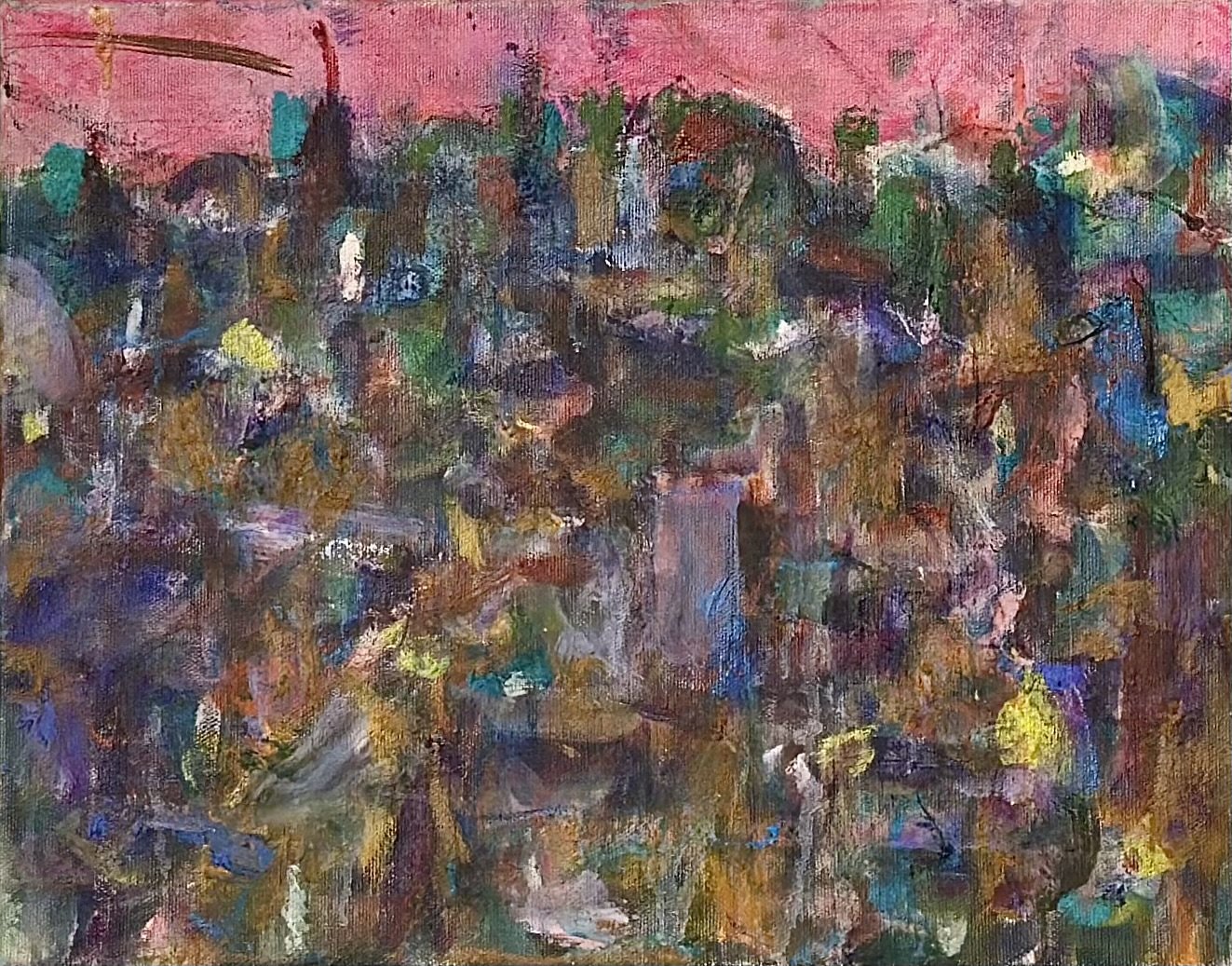
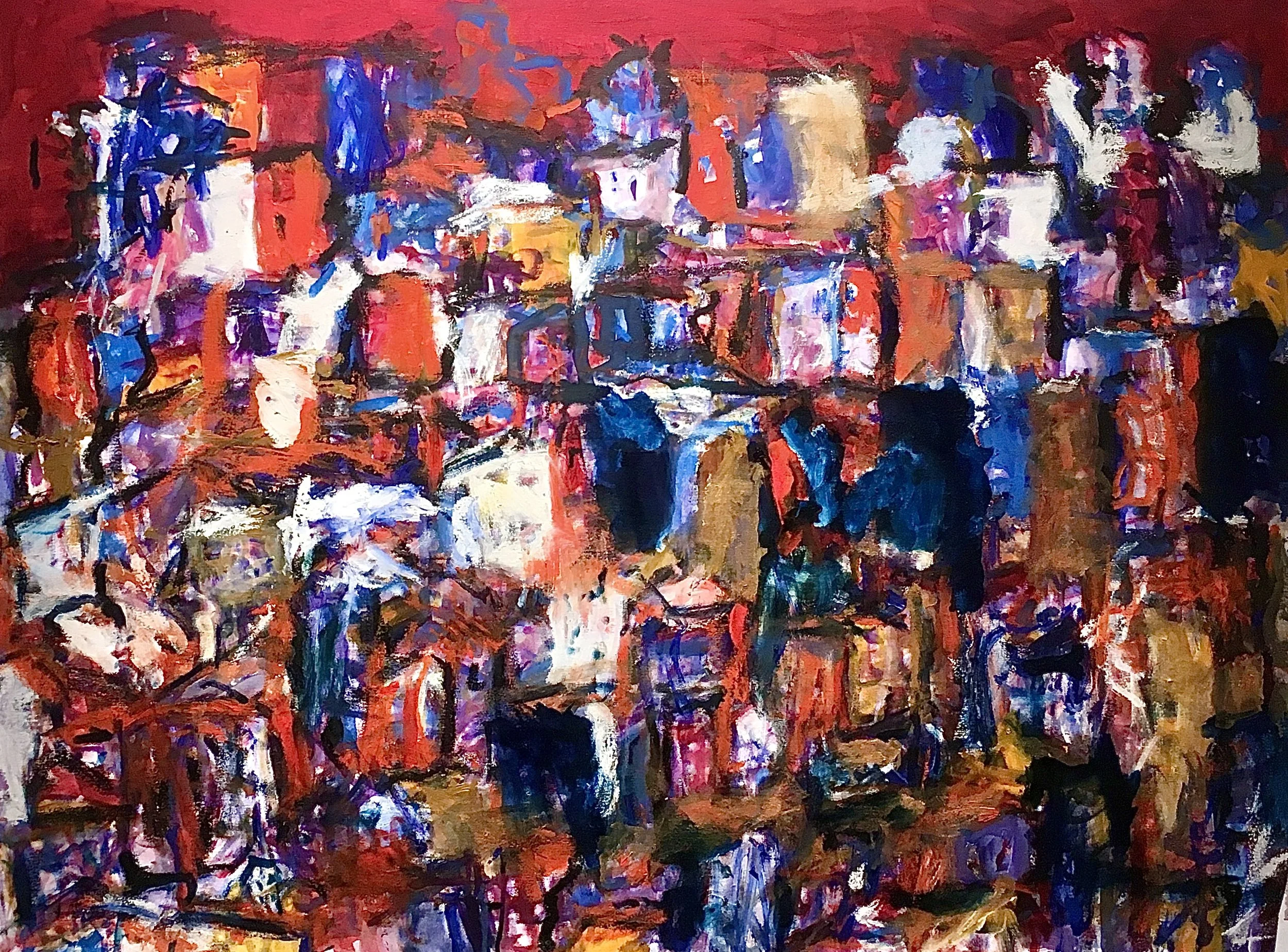
Cityscape Series; Chapter 8
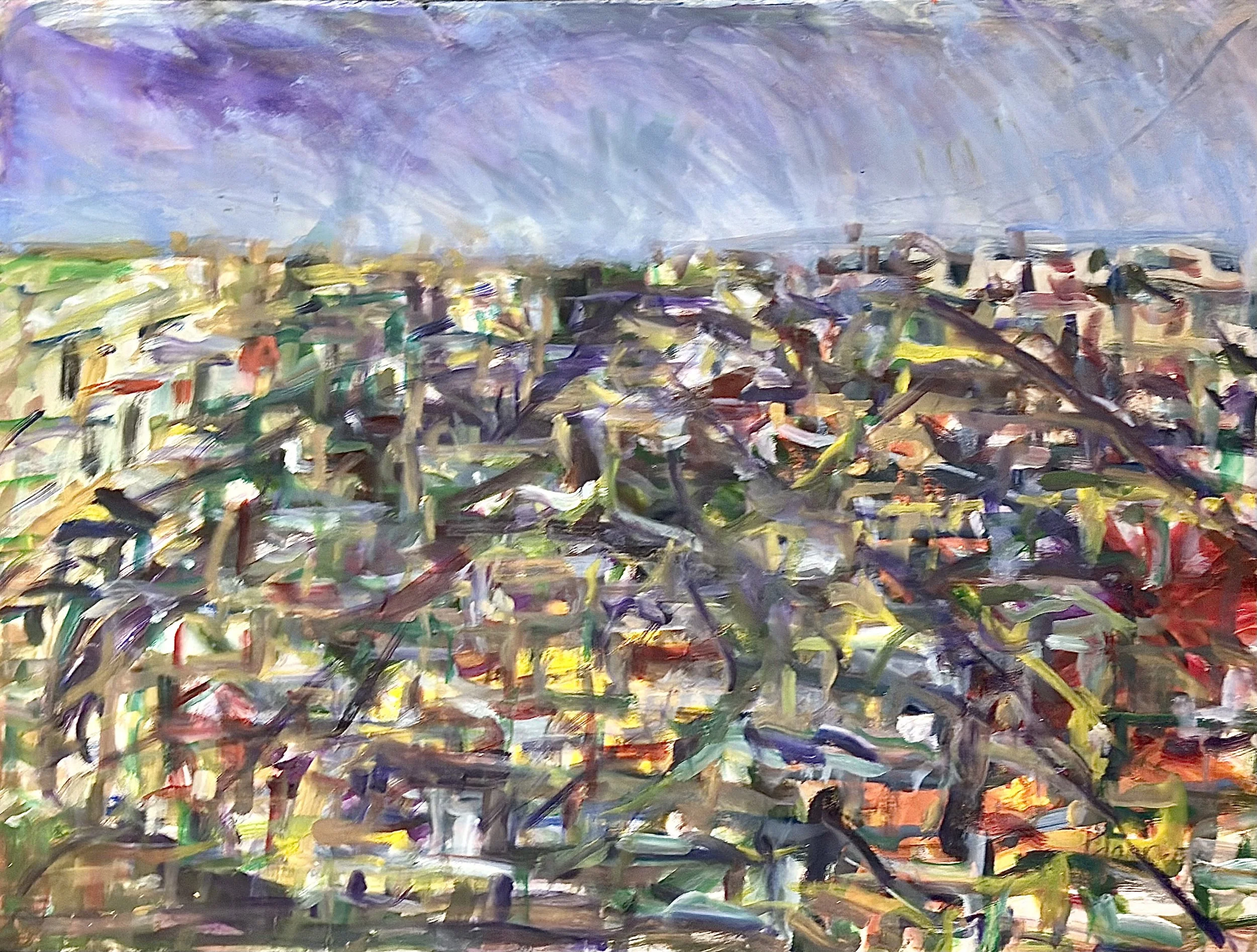
Cityscape Series; Chapter 16
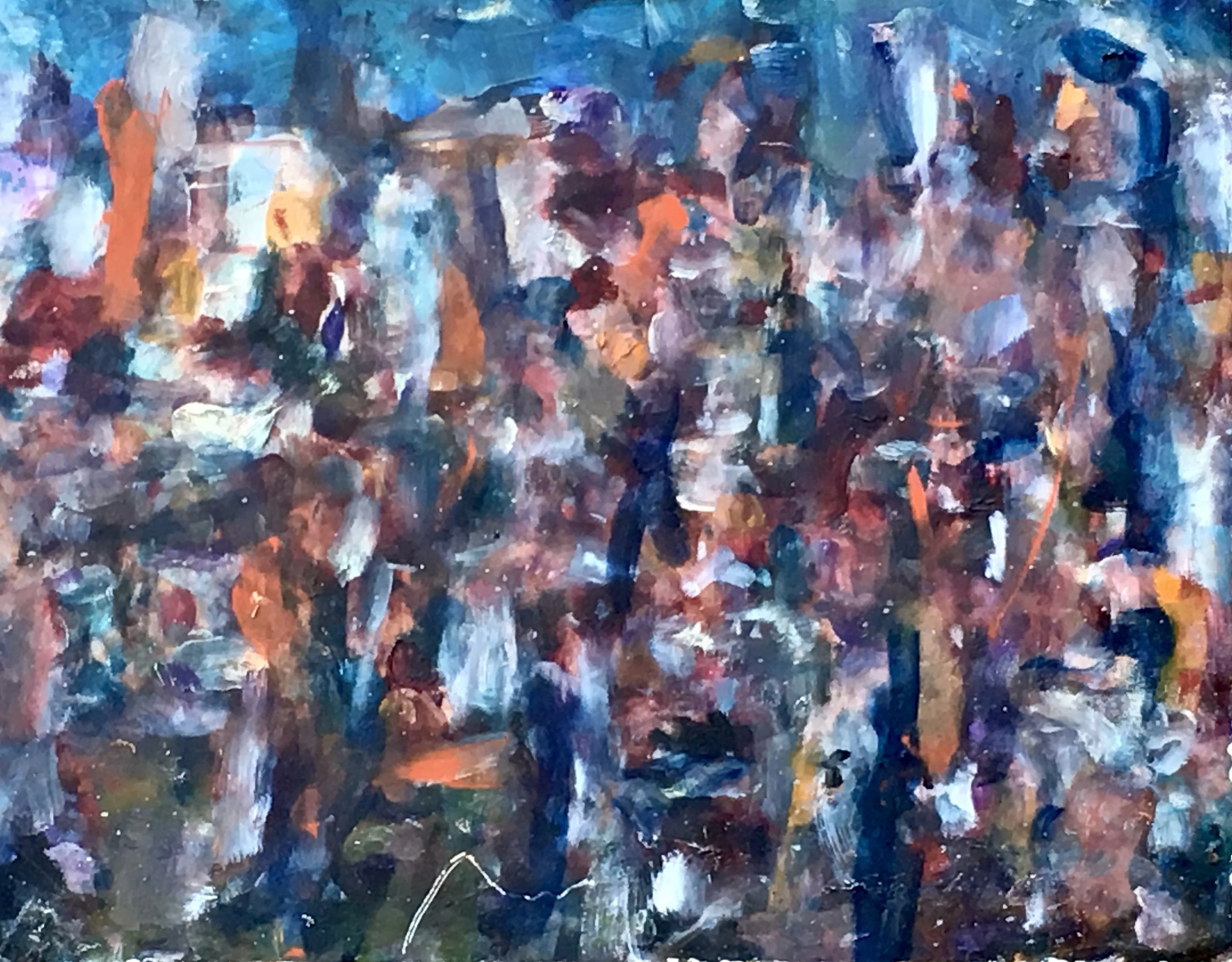
Cityscape Series; Chapter 7
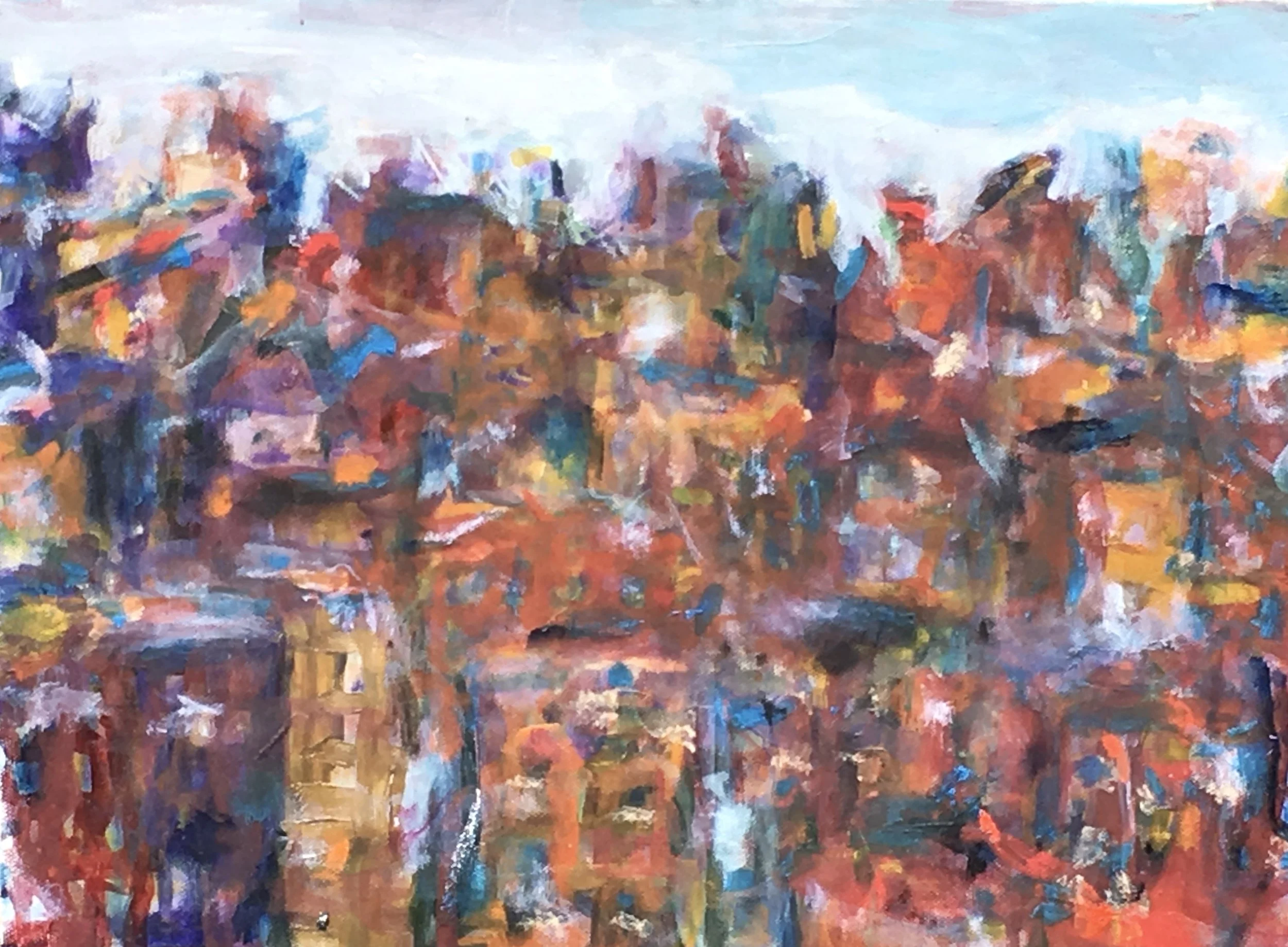
Cityscape Series; Chapter 6
Cityscape Series; Chapter 9
Their similarities across continents are not accidental; they reveal how dense urban environments shape communities when resources are limited.
That my work converges with these real places feels less like coincidence and more like recognition.
Barrios Series; Chapter 9 - Port Au Prince
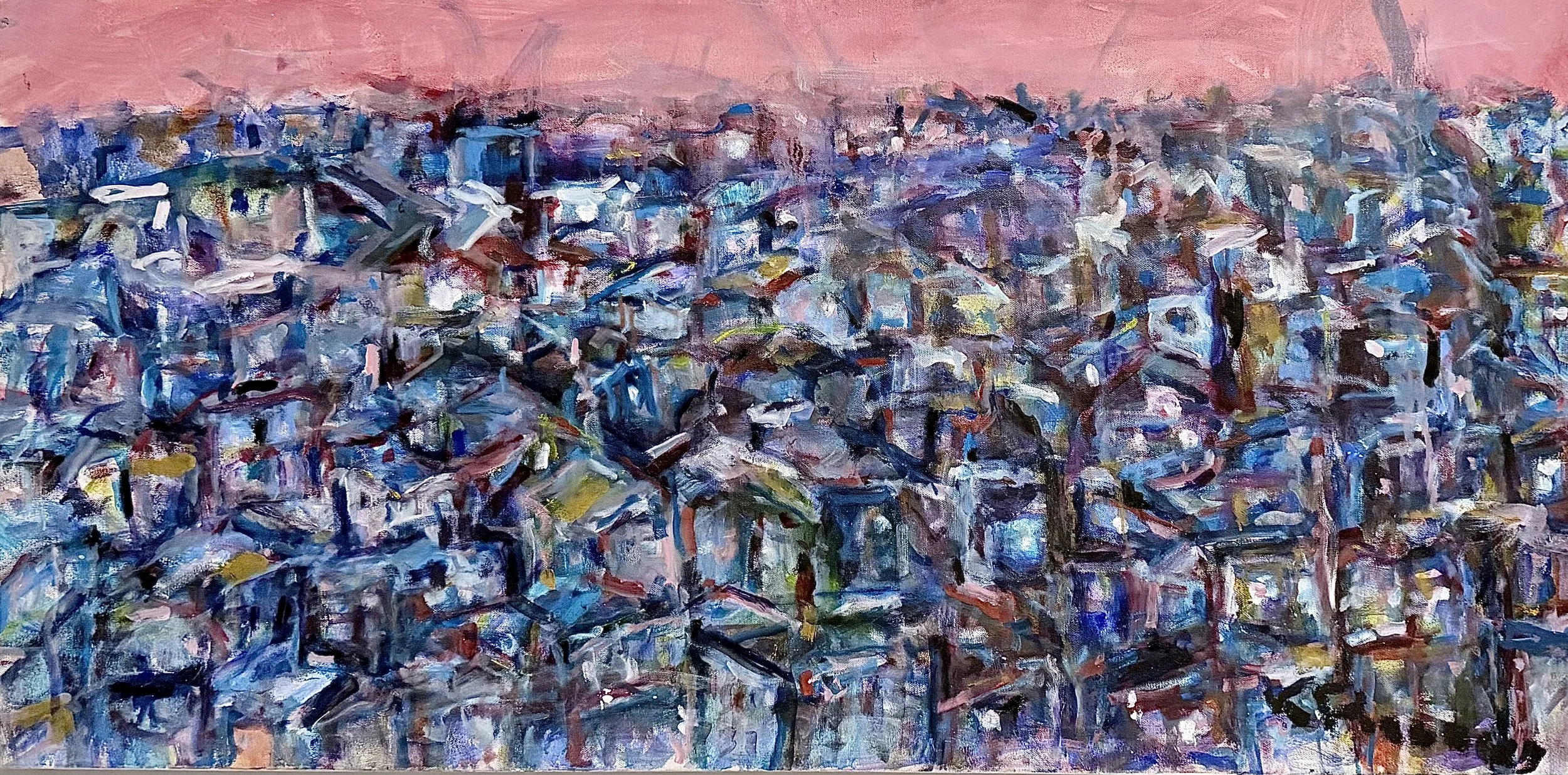
Cityscape Series; Chapter 15 - Nomi and Lily’s Urban Meadow
